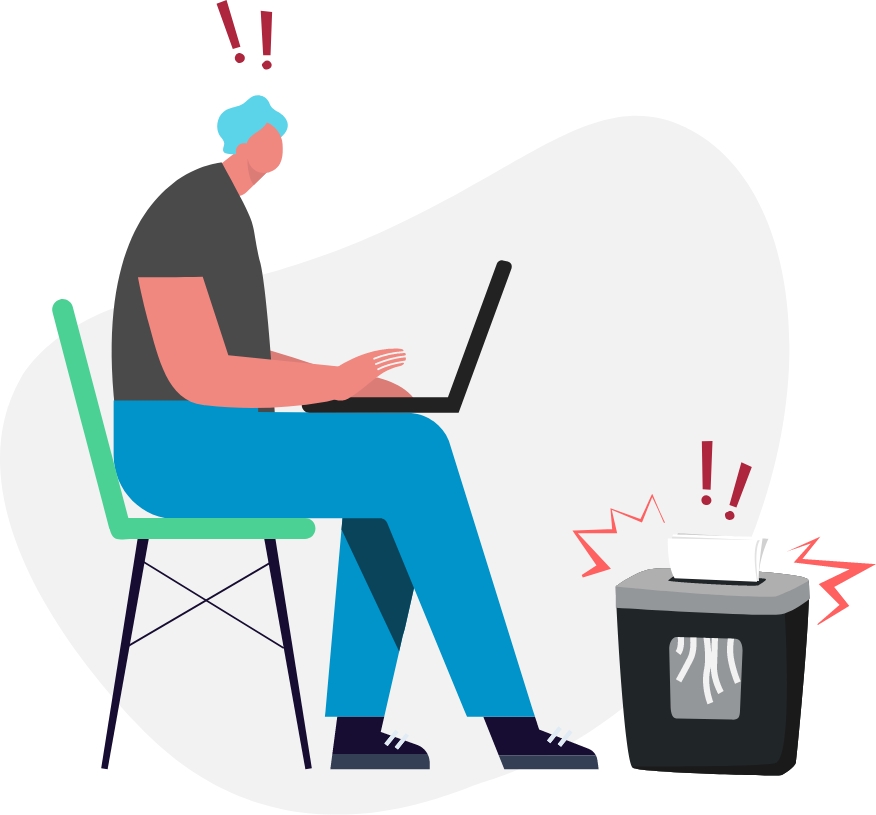
The archive has been scanned, the files are saved and staff can find the records they need on screen. Yet the same boxes are still taking up space in the office. Before anyone clears them, one question needs an answer: can the paper originals now be shredded?
In many cases, paper documents can be shredded after scanning, provided the digital copies meet the relevant requirements and there is no reason to retain the originals. The decision depends on the records involved, how they have been captured and what your business still needs to keep.
Getting that decision right allows you to clear the paper with confidence and keep the records your business relies on.
Can a Scan Replace the Paper Original?
A scan creates another version of a document. Whether it can replace the paper original needs to be established before shredding begins.
For tax records such as supplier invoices and statements, you may be able to keep digital copies instead of the paper originals. The copies need to be complete, stored securely and easy to retrieve. Revenue sets out the full conditions in its guidance on electronic record storage, including when an original still needs to be kept.
Other types of records may have different requirements, depending on their purpose, contractual terms or the rules that apply to your industry.
Where there is uncertainty about an original, ask the person responsible for those records or your professional adviser before including it in a shredding batch. Resolving exceptions early allows the rest of the project to continue.
How Long Should You Keep the Digital Record?
Changing a record’s format does not remove the obligation to keep it. Your document retention requirements still apply, and an acceptable digital copy must remain available for the rest of the required period, even after the paper has been shredded.
For example, a finance team might scan supplier invoices and approve the paper copies for shredding after completing the necessary checks. The digital invoices would still need to remain available for the applicable period.
Keeping a digital copy does not mean keeping it forever. How long you need it will depend on the type of record, why you hold it and any legal requirements. The Data Protection Commission’s guidance on retention explains this principle for personal data, with no single GDPR time limit covering every record.
Before scanning a large archive, it is therefore worth checking whether all of it still needs to be kept. Some material may already be suitable for secure disposal without creating another copy.
Check the Scans Before Shredding the Originals
A folder full of PDFs can look complete even when something has been missed. Pages can stick together, faint print can disappear and notes on the reverse can be overlooked.
Build a quality check into the project while the originals are still available. Useful checks include:
- All pages, attachments and relevant handwritten notes have been captured.
- Text, dates, figures and signatures are readable.
- Pages belong to the correct file and appear in the right order.
- File names and folders allow staff to locate the right record.
- Any missing or unclear information has been resolved.
Try retrieving a document as someone else in the business would. Could a colleague find the correct invoice or client file without asking the person who scanned it?
A clear scan is only useful if the right person can find it. Testing that now can prevent a frustrating search months later, when the original is no longer available.
Make Sure the Digital Records Have a Secure Home
Keeping the only copy of an archive on one employee’s laptop leaves the business dependent on a single device. Store the records in an agreed business system, with restricted access and a tested backup arrangement, in line with the Data Protection Commission’s data security guidance.
Ask your IT team or provider to confirm how recovery is tested. A backup that has never been checked offers little reassurance when an important file is accidentally deleted or a device fails.
If an outside company carries out the scanning, agree how files will be transferred back and how temporary copies will be handled. Before signing off the work, check that your team can open and use the returned files.
Keep Unchecked Files Out of the Shredding Batch
Some batches may be ready for shredding while others still need a missing page, a decision about an original or confirmation from another department.
Give each batch a clear status, such as awaiting checks, retain original or approved for destruction. Keep these groups separate so a box awaiting review cannot be mistaken for one that is ready to go.
Documents connected with an ongoing dispute, investigation or preservation instruction need particular care. Refer them to the responsible person before taking action.
For a larger project, a simple approval record can identify the batch, its date range, who checked it and who authorised destruction. This helps connect the paper being removed with the review already completed.
Clear the Paper Once the Checks Are Complete
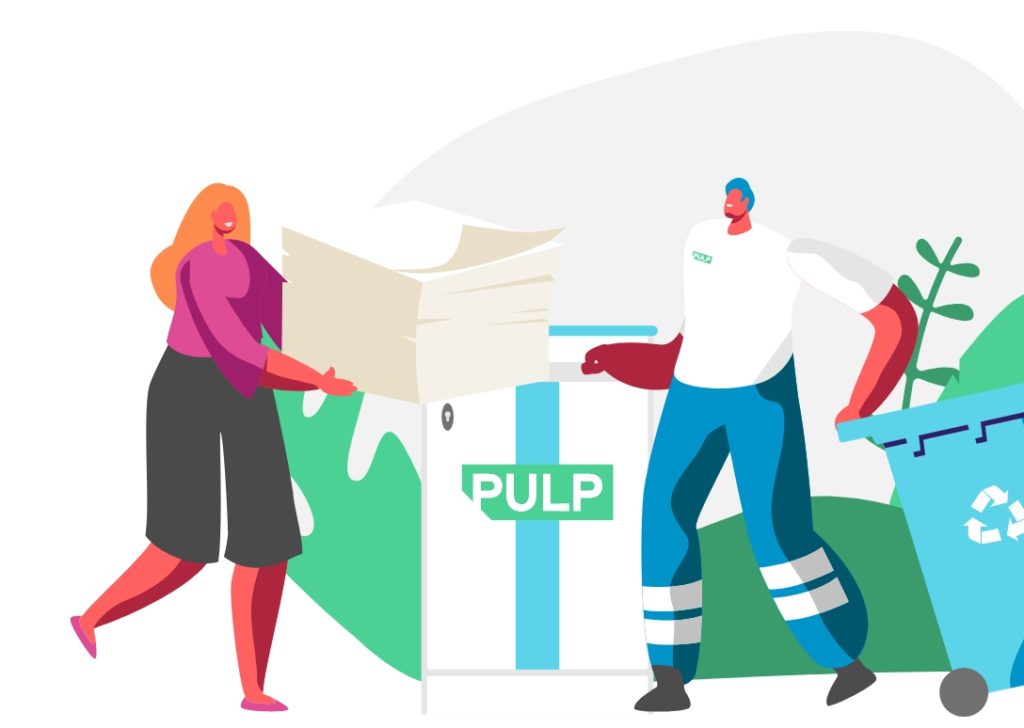
Once your scanned records have been checked and the originals approved for destruction, our one off shredding service can help you clear boxes of paperwork or larger archives. We shred the documents at your premises, with no need to commit to regular collections.
Let us know approximately how much paper you have, where it is stored and when you expect it to be ready. If you are working through the archive in stages, we can discuss collection arrangements around your progress. Keep the documents securely stored until our team arrives.
We provide a Certificate of Destruction for your records and take the shredded paper away for recycling. File the certificate alongside your internal approval record to document the disposal decision and the completed destruction.
Finish the Scanning Project and Reclaim the Space
Scanning makes records easier to work with. Our document shredding service completes the job by securely destroying the paper your business no longer needs to store.
If your scanned archive is ready to clear, get in touch for a shredding quote. Tell us the approximate number of boxes, your location and your preferred timing, and we can help arrange a collection that suits your business.