
A regular paper shredding service is a straightforward way to keep confidential paperwork under control. Instead of waiting for a big clear out, you put paper into a locked console or wheelie bin on-site. We collect it on an agreed schedule and shred it on your premises in a mobile shredding truck before we leave. You also receive a Certificate of Destruction on a monthly or annual basis, and the shredded paper is taken away for recycling.


If any of these sound familiar, this is your playbook:
The best option depends on where paper is produced and how it moves around the building.
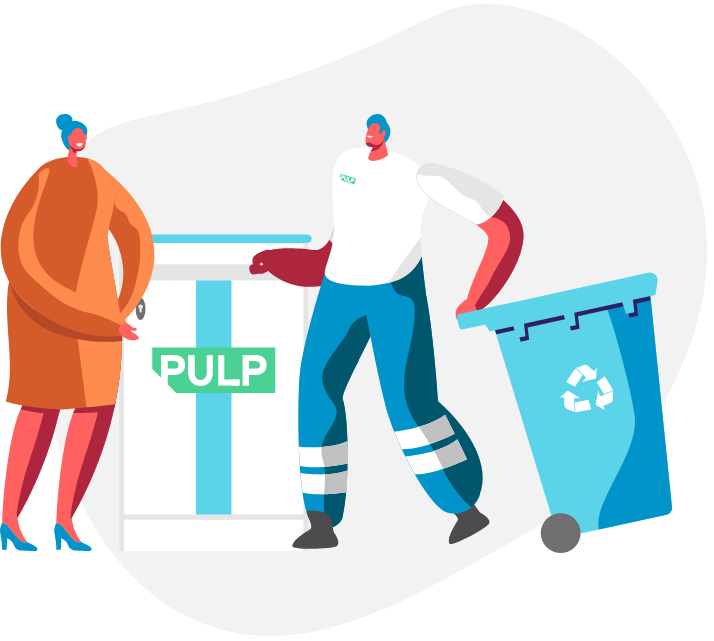
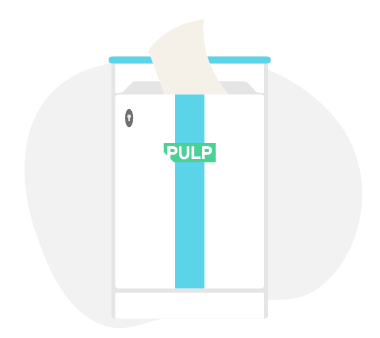
A slim, locked unit that suits office areas. It is designed for staff to drop paperwork in as they go, without bags or boxes building up.
More capacity and easier to move. Often used in storage areas and higher-volume environments.
Practical Tip: If you have a front office and a separate store area, it is common to use a console upstairs and a wheelie bin in the back-of-house. It keeps paper going into the right place without anyone having to store it somewhere for later.

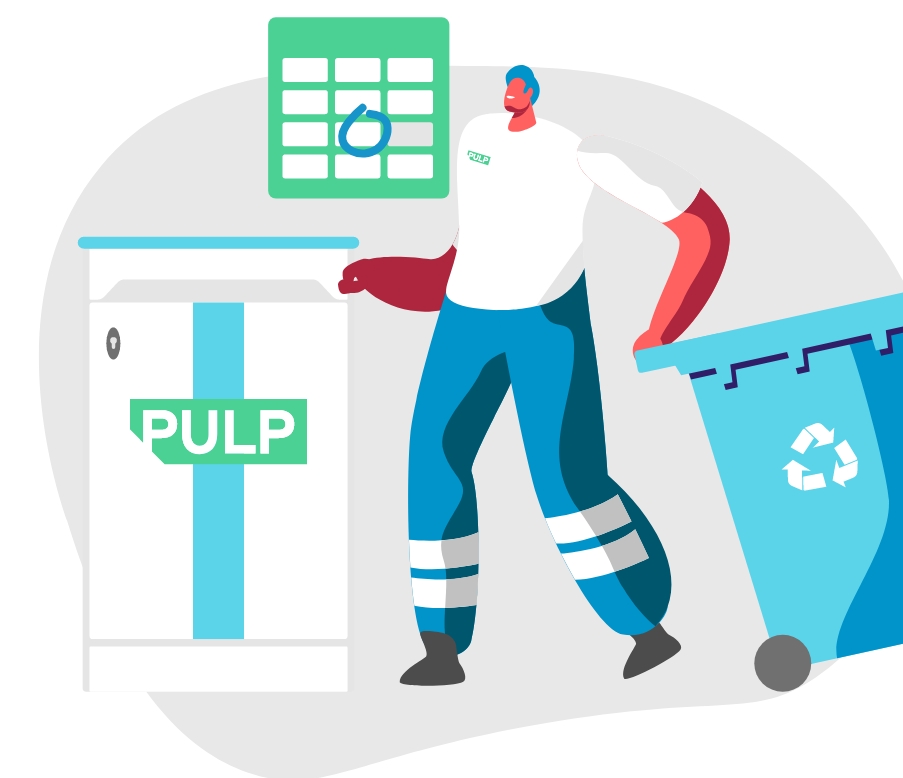
A regular service works best when it matches your real paper output. The goal is simple: no overflow, no panic tidy-ups, no piles of bags waiting around.
Good Internal Rule: If the unit is consistently over 75% full before collection day, increase frequency. If it is consistently under 25%, reduce frequency.
This should not become everyone’s problem. Make it one person’s simple responsibility.
Choose an internal owner who will:
For many organisations this sits with Office Manager, Facilities, or Compliance. In smaller businesses, it might be Finance.
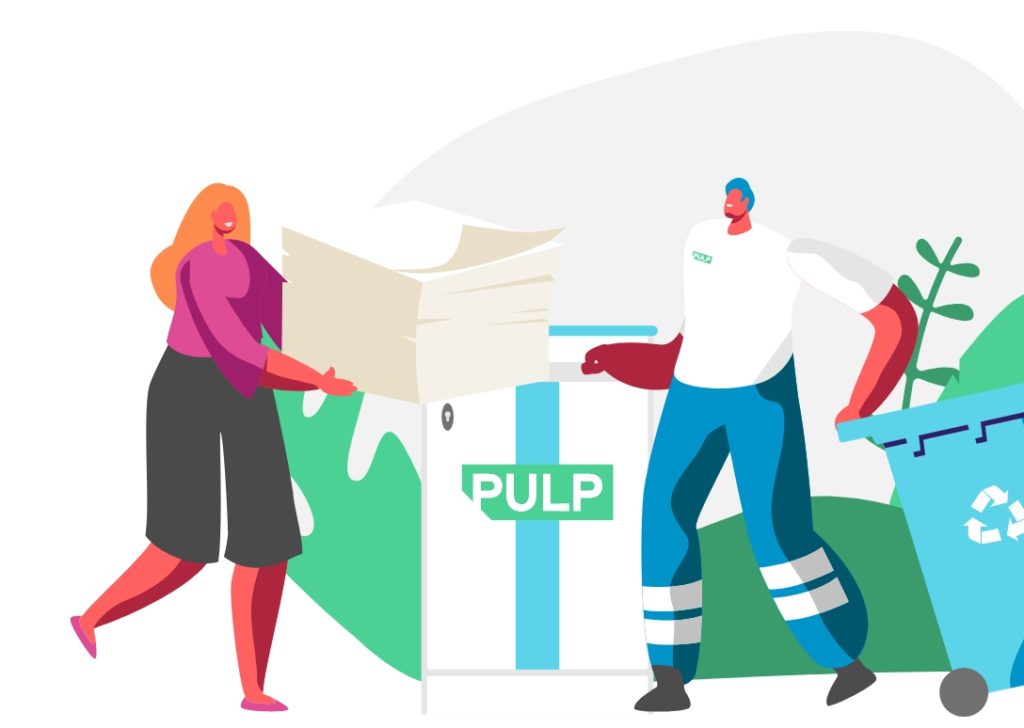

A good location reduces the chance of paper drifting into desk drawers, general waste, or temporary boxes.
Simple internal message that works:
“Paper only in the console or bin. Devices go through IT destruction.”

This is what prevents delays.
A regular on-site visit is designed to be quick and controlled.
Typical flow:
Most problems come from hesitation. Someone thinks “Is this confidential enough?” and it sits on a desk.
A clean policy is easier:
This also makes onboarding simpler.
A certificate is only useful if you can produce it quickly.
Recommended storage approach:

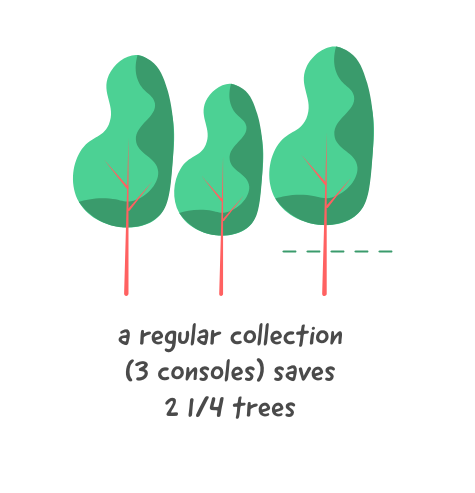
People care where waste ends up. Keep your internal message simple:
Short, clear, believable.
Give the internal owner a simple recurring check:
That is it. This should never become a project.

Use consoles in office areas where staff need easy day-to-day access. Use wheelie bins in back-of-house or higher-volume areas where you need more capacity and easier movement.
Yes. The schedule can be adjusted if your volume changes or if the unit is regularly filling early.
A Certificate of Destruction is supplied on a monthly or annual basis, depending on what is agreed.
Yes. Shredding happens on-site during the visit, so it can be witnessed if needed.
Increase frequency, add an additional unit, or switch a high-volume area to a wheelie bin. Overflow is where bad habits start.
Typical office paper and confidential files, plus newspapers and magazines. Staples and paperclips can stay attached.
Devices and media such as hard drives, laptops, phones, and Usb keys. Keep these separate and use secure on-site IT destruction.
Use one shared folder structure by year and month, and stick to one file naming format. Keep upload permissions with one owner and one backup.
Yes. Many organisations run a regular schedule for day-to-day paper, then book a one-off visit when older archives need clearing.
Yes. We provide regular shredding services across Ireland, including Dublin and Cork.

Our team will be happy to help you find the ideal on-site confidential shredding solution for your company. You can contact us for more details regarding our small business shredding services.