Regular Paper Shredding Service Checklist Ireland

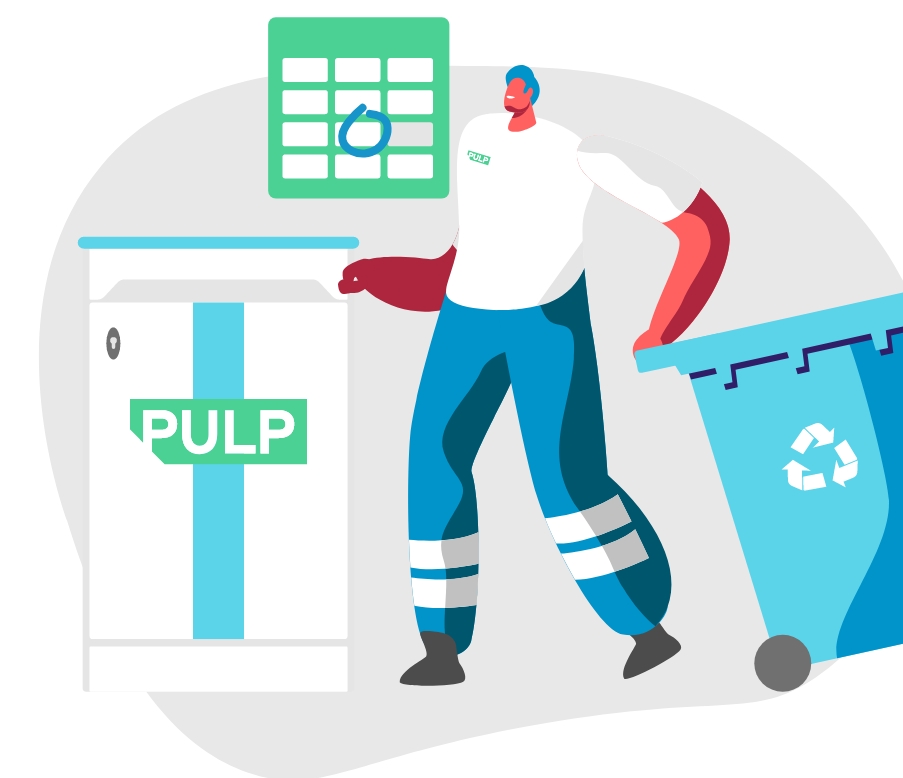
A regular paper shredding service is a straightforward way to keep confidential paperwork under control. Instead of waiting for a big clear out, you put paper into a locked console or wheelie bin on-site. We collect it on an agreed schedule and shred it on your premises in a mobile shredding truck before we leave. You also receive a Certificate of Destruction on a monthly or annual basis, and the shredded paper is taken away for recycling.


what happens to shredded paper

Quick Takeaways

Who This Checklist Is For

If any of these sound familiar, this is your playbook:

  • You generate confidential paper every week (HR, payroll, finance, customer records, medical files, legal docs, contracts).
  • You want a predictable collection schedule rather than ad hoc shredding.
  • You need a document shredding service that fits around a working office, warehouse, or busy site.
  • You want something simple to run internally, with proof you can file away.

Step 1: Choose The Right On-Site Storage (Console Vs Wheelie Bin)

The best option depends on where paper is produced and how it moves around the building.

Option A: Confidential Paper Console (Best for Offices)

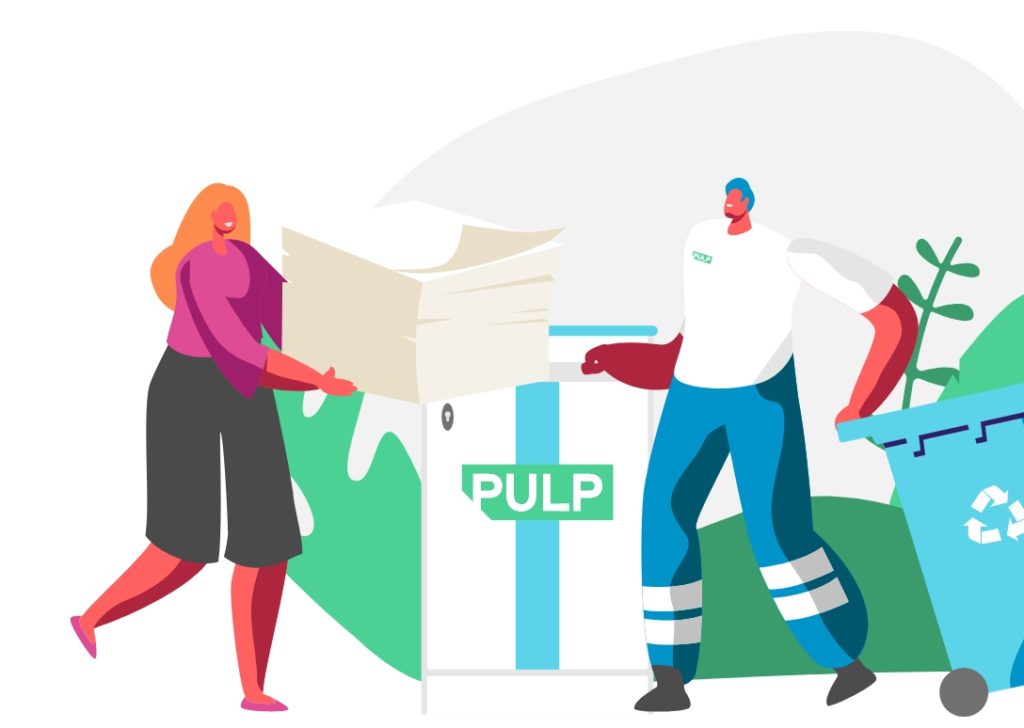
A slim, locked unit that suits office areas. It is designed for staff to drop paperwork in as they go, without bags or boxes building up.

  • Height: 92 Cm
  • Width: 58 Cm
  • Depth: 40 Cm
  • Capacity: 50 Kg (Average 5 Black Sacks)
  • Colour: Grey

Option B: Confidential Paper Wheelie Bin (Best for Warehouses and Back-Of-House)

More capacity and easier to move. Often used in storage areas and higher-volume environments.

  • Height: 105 Cm
  • Width: 55 Cm
  • Depth: 72 Cm
  • Capacity: 100 Kg (Average 10 Black Sacks)
  • Colour: Green

Practical Tip: If you have a front office and a separate store area, it is common to use a console upstairs and a wheelie bin in the back-of-house. It keeps paper going into the right place without anyone having to store it somewhere for later.


Step 2: Set Your Collection Schedule (Without Overthinking It)

A regular service works best when it matches your real paper output. The goal is simple: no overflow, no panic tidy-ups, no piles of bags waiting around.

A Straightforward Way to Choose Frequency

  • Weekly: Busy admin teams, multiple departments feeding one unit, high-volume paperwork.
  • Fortnightly: Steady output (many offices land here).
  • Monthly: Smaller teams, lighter paper volumes.

What Often Changes The Schedule

  • Seasonal peaks (year-end finance, audits, renewals).
  • Headcount growth.
  • A shift to more printing.
  • Office moves or reorganising storage.

Good Internal Rule: If the unit is consistently over 75% full before collection day, increase frequency. If it is consistently under 25%, reduce frequency.

Step 3: Pick One Owner Inside the Business

This should not become everyone’s problem. Make it one person’s simple responsibility.

Choose an internal owner who will:

  • Be the point of contact for collection days
  • Confirm access (reception, security gate, loading bay, visitor sign-in)
  • Keep an eye on capacity
  • Make sure the Certificate of Destruction is stored properly

For many organisations this sits with Office Manager, Facilities, or Compliance. In smaller businesses, it might be Finance.

confidential shredding in education
data protection for startups

Step 4: Decide Where the Unit Lives (Location Matters More Than People Think)

A good location reduces the chance of paper drifting into desk drawers, general waste, or temporary boxes.

Office Console Placement Checklist

  • Close enough to use daily (people will not walk far with sensitive paper)
  • Not blocking walkways, fire routes, or door swings
  • Visible enough to become a habit (near printers, post area, admin hub)
  • Ideally in a supervised zone, not a public waiting area

Wheelie Bin Placement Checklist

  • Near where bulk paper builds up (archives, stores, print rooms)
  • Easy to move to a collection point if needed
  • Not exposed to weather if outside
  • In a staff-only area where possible

Step 5: Confirm What Goes In (And What Should Stay Out)

Suitable Items (Typical Examples)

  • Loose paper, printed documents, letters, forms
  • Office paper files
  • Newspapers and magazines
  • Paper with staples and paperclips still attached

Keep Out of the Paper Units

  • IT equipment, hard drives, phones, laptops, usb keys (these belong in secure on-site It destruction instead)
  • Batteries, electronics, hazardous waste
  • Food waste or general rubbish

Simple internal message that works:
“Paper only in the console or bin. Devices go through IT destruction.”

confidential shredding in education

Step 6: Prepare For Collection Day (So It Is Smooth Every Time)

This is what prevents delays.

Access Checklist

  • Parking or stopping space for the truck, or a clear plan for where it will pull in
  • Any security steps: gate code, barrier, sign-in rules, visitor Ppe if required
  • A named contact on-site who can be reached quickly
  • If you are in a multi-tenant building, confirm loading bay rules and delivery windows

Paper Handling Checklist (Internal)

  • Do not overfill the unit
  • Keep the area around the unit clear
  • Keep keys controlled (authorised staff only)
  • If you have multiple units, label them by department or floor

Step 7: Know What Happens on the Day (So You Can Explain It Internally)

A regular on-site visit is designed to be quick and controlled.

Typical flow:
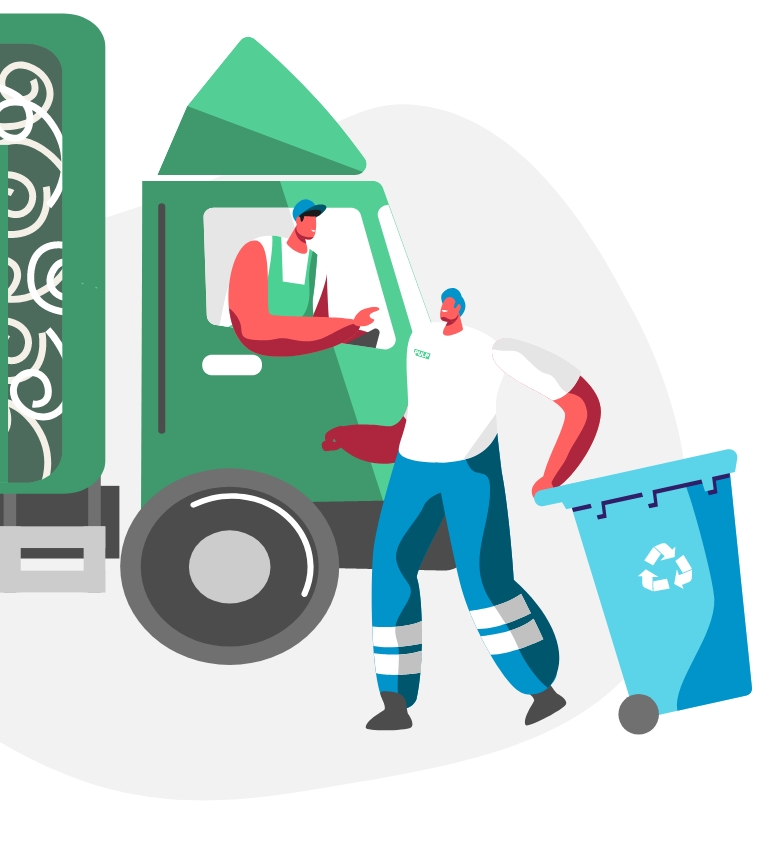
  1. We arrive on schedule and collect paper from the console or bin
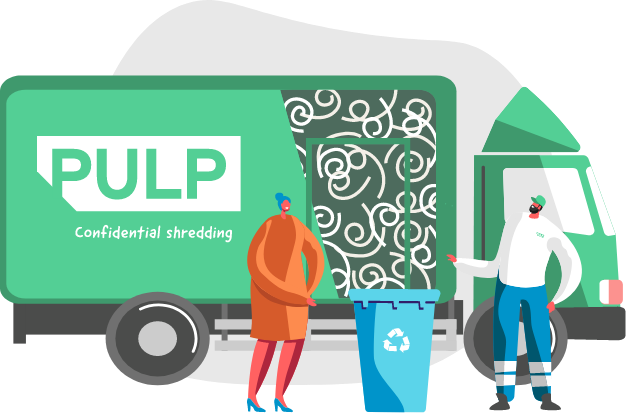
  2. Paper is loaded into a secure bin and brought to the mobile shredding truck
  3. The secure bin is weighed and hoisted, tipping directly into the on-board shredder
  4. Documents are destroyed by cross blade shredders, turning paper into confetti
  5. Shredding happens before we leave your premises
  6. Shredded paper is taken away for recycling
  7. A Certificate of Destruction is provided monthly or annually, depending on what you set up

Step 8: Set Up Your Internal Shred Rule (Without Causing Confusion)

Most problems come from hesitation. Someone thinks “Is this confidential enough?” and it sits on a desk.

A clean policy is easier:

  • If it contains personal data, customer details, staff details, financial info, or legal info, it goes straight into the secure unit
  • If you would not want it photographed or copied, it goes in
  • If it is obsolete, it goes in

This also makes onboarding simpler.

Step 9: Make The Certificate of Destruction Easy to Retrieve

A certificate is only useful if you can produce it quickly.

Recommended storage approach:

  • Keep a shared folder: Compliance → Data Disposal → Certificates Of Destruction → Year → Month
  • Restrict edit permissions (view-only for most staff)
  • Make one person responsible for uploading and naming files consistently

Step 10: Keep Recycling and Sustainability Messaging Consistent

People care where waste ends up. Keep your internal message simple:

  • Paper is shredded securely on-site
  • Shredded paper is taken away for recycling into paper-based products such as office paper, tissue paper, paper towels and napkins, cardboard, and newspapers

Short, clear, believable.

Step 11: Ongoing Monthly or Quarterly Review (10 Minutes)

Give the internal owner a simple recurring check:

  • Are you filling the unit early? If yes, increase frequency
  • Are certificates filed correctly?
  • Has the unit drifted into a spot nobody uses? Move it back

That is it. This should never become a project.

FAQs

Use consoles in office areas where staff need easy day-to-day access. Use wheelie bins in back-of-house or higher-volume areas where you need more capacity and easier movement.

Yes. The schedule can be adjusted if your volume changes or if the unit is regularly filling early.

A Certificate of Destruction is supplied on a monthly or annual basis, depending on what is agreed.

Yes. Shredding happens on-site during the visit, so it can be witnessed if needed.

Increase frequency, add an additional unit, or switch a high-volume area to a wheelie bin. Overflow is where bad habits start.

Typical office paper and confidential files, plus newspapers and magazines. Staples and paperclips can stay attached.

Devices and media such as hard drives, laptops, phones, and Usb keys. Keep these separate and use secure on-site IT destruction.

Use one shared folder structure by year and month, and stick to one file naming format. Keep upload permissions with one owner and one backup.

Yes. Many organisations run a regular schedule for day-to-day paper, then book a one-off visit when older archives need clearing.

Yes. We provide regular shredding services across Ireland, including Dublin and Cork.

Ready to shred? Chop chop, let’s go!

Our team will be happy to help you find the ideal on-site confidential shredding solution for your company. You can contact us for more details regarding our small business shredding services.

data security in government